Post From Expert Insights
Share this post!


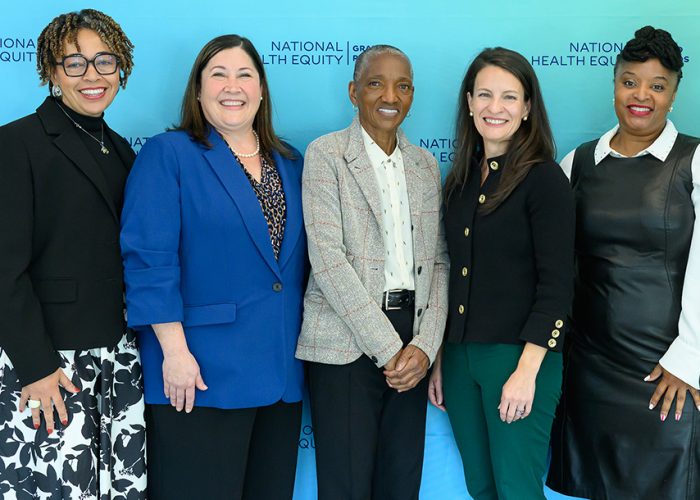
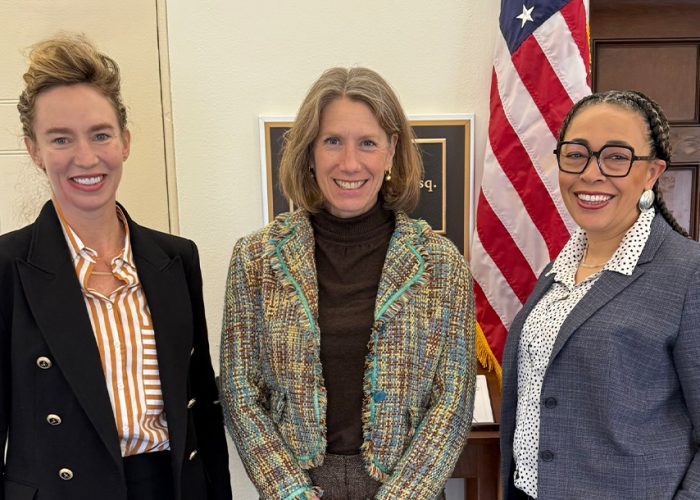
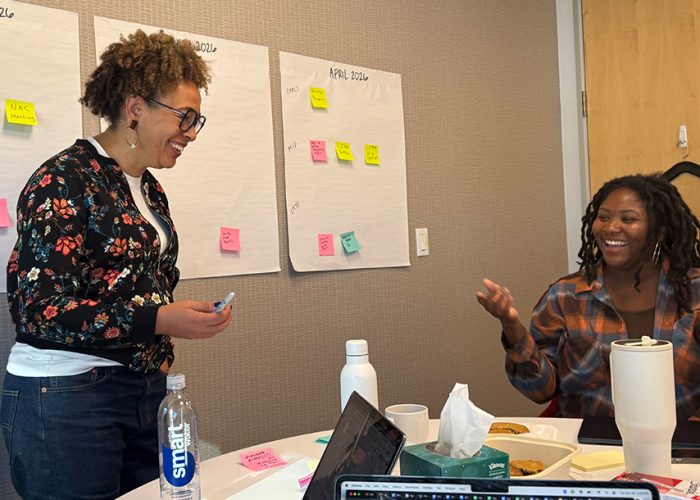
This year 2025 tested the resilience of communities and the systems that serve them, in ways both expected and unexpected. From data democracy to climate resilience, from CDFI adaptation to values-based dialogue. In response BHPN’s work was grounded in partnerships with organizations leading the way forward on these important issues, building collective power for healthier, more equitable communities.
The Crucial Pivot: Multi-Sector Collaboration for a Resilient Future
The challenges of 2025 underscored the need for solidarity and multisector collaboration across community development, healthcare, and public health in addressing health equity presenting a vital opportunity to proactively pivot towards creating resilient healthy communities. As our factsheet shows, health payer and community development partnerships have the potential to reduce medical costs and improve health outcomes. With the future of public funding increasingly uncertain (like potential federal and state Medicaid cuts), non-government actors such as private and nonprofit payers are positioned to mobilize assets and fill widening investment gaps. These partnerships are essential for addressing the Vital Conditions, and sustaining the healthcare safety net.
To advance this work, BHPN has partnered with Association for Community Affiliated Plans, an association of not-for-profit Safety Net Health Plans, and a new Advisory Council to create an important resource that will help health plans to forge effective partnerships and strategically invest in community infrastructure.
This same collaborative urgency extends to building resilience against climate-driven natural disasters, which hit marginalized communities the hardest. The three sectors are “ready-made partners” to respond to this crisis. Our Climate and Health Factsheet, alongside efforts from the National Academy of Medicine’s Climate Communities Network, The Kresge Foundation’s Climate Change, Health & Equity initiative, and Center for Community for Community Investment’s Climate Justice focus. All affirm this reality: shared leadership is the only path to a truly resilient, equitable future.
These partnerships will only grow in importance. In the year ahead, BHPN is committed to advancing this work as essential infrastructure, ensuring it sustains a coordinated movement rather than remaining a series of isolated collaborations.
The Resilience and Adaptation of CDFIs
CDFIs have long been central to BHPN’s theory of change for community investments, which made the sector’s 2025 crisis especially urgent. Proposed federal funding cuts drove intense financial pressure and created serious questions about the sector’s future. This was the catalyst for BHPN’s September 2025 brief, Community Development Financial Institutions: Catalysts for Healthy Communities. Making the case to policymakers and health systems, the brief distilled the vital, mission-driven role CDFIs play in advancing health equity and building lasting community wealth, urging them to partner and advocate for the sector’s stability.
While the CDFI Fund is now positioned to receive $324 million in the FY26 draft bill, the volatility of 2025 has exposed the unwelcome fragility of this important sector of the community investment landscape.
Yet, the sector is already adapting. CDFIs are building toward a more resilient future, centering on a community-controlled ecosystem in response to the challenges of high capital costs and CDFI deserts. A compelling example is the rise of state-level coalitions, which are demonstrating how strategic CDFI partnerships with state and local governments, philanthropy, and new allies can reduce reliance on unpredictable federal funding while expanding community impact. This adaptation includes rethinking how data flows in multi-sector partnerships and committing to long-term work on effective practices to move the field from inspiration to replication.
Those Who Hold the Data Shape the Future
2025 brought new urgency to a long-standing need: data democracy. Unprecedented federal disruptions left datasets disappearing, reappearing, or suspended in limbo, raising hard questions about our dependence on large, institutional level data sources. This year as data vanished, even temporarily, organizations were forced to reckon with their dependence on systems that may not serve them. Echoing what many communities have said for years.
While advocacy efforts worked hard through the year to preserve these resources, familiar questions resurfaced, how well do these datasets actually advance health equity?
In 2024, informed by the BIPOC-led Community Development Corporations in our Community Innovations for Racial Equity (CIRE) initiative, Build Healthy Places Network and Verge Impact Partners developed a tool to help communities identify data and evaluation approaches that prioritize and center residents’ voice and vision.
BHPN’s Crosswalk article, ‘Those who Hold the Data Shape the Future’, explored a powerful question: “What happens when communities get control of their own data?” We heard from community-based organizations across healthcare and community development, who’ve stopped waiting for outside institutions to define their community needs. Instead, they have built community-owned approaches to data that reflect lived experiences and local priorities. They’ve used that data effectively to provide better services. For one Tribal Community Development Financial Institution creating their own data wasn’t a choice but a necessity , because they weren’t included in existing data sets at all.
We remain committed to advancing health for all by developing resources that strengthen community-led approaches and place more power directly in the hands of residents. We continued to strengthen the integration of Native perspectives across our work. This included highlighting Native-led partners and drawing on National Advisory Council member Lanalle Smith’s expertise to guide how BHPN can support collaborations with Tribal and Native communities in ways that honor sovereignty, cultural context, and lived experience.
Cultivating Dialogue: Breaking the ‘Spiral of Silence’
This year has reinforced the importance of adopting effective practices that move beyond technical solutions to focus on the underlying values that guide our work. The idea of a values focused conversation first surfaced in our Public Health and Community Development roundtable to explore how collaborative efforts might advance health equity. We recognized that these skills were an essential part of a successful multi-sector collaboration. In summer 2025, BHPN held a webinar Challenging Conversations: Using Values-Based Narratives to Build Healthy Communities and accompanying two-pager. With over 600 registrants, it was clear that communication was a topic on a lot of people’s minds this year.
Across the country and across the sectors, organizations grappled with creating effective narratives to advance health for all, without getting tangled in anti-DEI language wars. We learned about concepts like the “spiral of silence,” where people are hesitant to express opinions they believe others don’t share, a dynamic that can silence important voices and stall progress.
The webinar and accompanying resources offer tools to continue essential conversations that more effectively foster understanding and partnerships, leveraging solidarity to move us towards collective action across all sectors. In practice, this means creating spaces for honest dialogue and using asset based approaches that foster belonging. This work is reflected in resources like the Othering & Belonging Institute Guide for Belonging-Builders, which emphasizes narrative transformation, co-creation, and centering marginalized voices. BHPN will continue supporting partnerships grounded in these practices, helping to build the community infrastructure that supports health for all.
Looking toward 2026, BHPN will deepen this approach by continuing to track data access challenges, lift up more stories on shifting power to communities through data, and weave Native and Tribal perspectives across our full portfolio to advance health, prosperity, and self-determination. One great place to start is our Measure Up section on shifting power through data.
The Work Ahead
We’re energized by the creativity and commitment of our partners. As we move into 2026, we will deepen these collaborations, sustaining the coordinated movement required to strengthen infrastructure, amplify community voice, and advance health for all.