Post From Expert Insights
Share this post!


In the face of escalating climate threats and shifting federal support, Black churches across the rural South are charting a path forward—delivering immediate disaster response while sustaining community-led resilience efforts for the long haul.
One evening in rural Georgia, the lights went out—but the church doors stayed open.
When Hurricane Idalia tore through Southeast Georgia, it wasn’t a government office or corporate headquarters that people turned to first. It was their local Black churches—places that quickly became hubs for stability, offering food, charging stations, and a sense of stability when everything else felt uncertain.
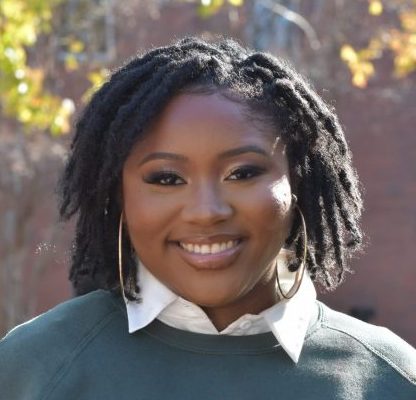
In a recent conversation with Fenika Miller, an Economic Recovery Corps Fellow at the Southern Economic Advancement Project (SEAP), we explored how moments like this reveal the critical role Black churches play not only in times of crisis but also in shaping clean energy and economic recovery efforts across the rural South.
What Is SEAP and Why This Work Matters
SEAP works across 12 Southern states, focusing on economic security, health, and climate policy with an explicit emphasis on marginalized and vulnerable communities. At its core, SEAP is not simply a policy organization; it is a connector, convener, and capacity-builder working to strengthen the infrastructure that supports community-driven change.
SEAP partners with nonprofits, local governments, and movement leaders across the South to help communities access federal resources and navigate complex funding systems. As Fenika explains, the goal is to “broaden economic power and build a more equitable future…bringing more folks into this ecosystem and making sure everybody knows how to access the resources and funding, and how we can collaborate to build a stronger Southeast.”
Rooted in community leadership and strong partnerships with Black churches, this work sits at the intersection of climate action and economic recovery—prioritizing solutions that are designed with communities, not imposed upon them.
Why Black Churches Are Essential Clean Energy Partners
Black churches have long been trusted anchors in Southern communities. They are often among the first to respond when disaster strikes and among the last institutions still standing when other support falls away.
When asked why Black churches are central to this work, Fenika is clear: “We know that churches are the right partners for this,” Fenika says, because they are trusted community anchors.
In many rural Southern communities where institutions may be fewer and public infrastructure more limited, churches often hold some of the largest and most accessible local assets: land, physical buildings, and people power. Congregations have space to host gatherings, facilities that can support solar installations or resilience upgrades, and networks of volunteers ready to mobilize. Local governments and community partners frequently look to pastors and church leaders for moral authority and connection to residents.
That combination of trust, assets, and influence makes churches natural conveners for conversations about clean energy and economic opportunity. “We want them at the table because we want to have community-driven design,” Fenika explains. Centering churches means engaging them in listening sessions, shaping projects that meet real local needs from food pantries and senior services to youth employment and long-term resilience planning.
The “Our Dollars, Our Dreams” Initiative
Fenika’s role at SEAP was anchored in the organization’s Our Dollars, Our Dreams initiative, which focused on equitable access to federal funding across the South. Many rural and under-resourced communities struggled to navigate complex grant and incentive programs, even when they are specifically designed to support climate resilience and economic recovery.
Our Dollars, Our Dreams supported nonprofits, local governments, and community leaders in:
Within that broader effort, Fenika had a specific focus: working directly with Southern Black churches to help them stand up clean energy projects, bring those projects to completion, and walk them through the Direct Pay process so they could benefit from federal clean energy incentives. As she described it, her role was to translate complex policy into practical steps—helping churches move from interest to implementation.
Through tools like Direct Pay, clean energy investments could generate savings and new resources that flow back into congregations that are often already stretched thin. By ensuring Black churches could access these incentives, SEAP was doing more than expanding funding—it was strengthening the trusted community anchors that sustain resilience across the rural South. In this model, churches were not just recipients of investment; they were co-designers shaping how clean energy supports the communities they serve.
While the Our Dollars, Our Dreams initiative may be evolving, its impact continues. The work helped build more than access to funding—it strengthened relationships, deepened community engagement, and laid the groundwork for a more community-led approach to clean energy across the South. That legacy is now visible in how churches, congregations, and local partners are stepping into leadership and shaping what comes next.
A Community-Led Clean Energy Future
As federal clean energy funding faces political uncertainty, hope comes from what Black churches are already doing—and how they are reimagining what’s possible. Across the rural South, these congregations are more than places of worship; they are organizers, conveners, and first responders. Even with limited staff and bi-vocational pastors, churches consistently open their doors during crises, offering food, charging stations, shelter, and connection when everything else feels unstable.
“Just because pastors are stretched thin doesn’t mean that when disasters happen, churches don’t open their doors,” Fenika explains. Over the last two years, she says, SEAP has worked to provide faith leaders and congregations an opportunity to “radically reimagine what their assets can be.” Tools like Direct Pay allow churches to lean further into the role they already play, meeting not only spiritual needs, but physical ones as well.
The journey, she reflects, has required patience. “There were a lot of information gaps that had to be filled.” Before projects could move forward, the work began with community engagement: attending church services, tabling, providing educational materials, and having conversations about what clean energy means in practice. What does solar on the sanctuary roof look like? How could a microgrid support a resilience hub? How do these investments reduce energy burdens and protect families during extreme weather?
What emerged was more than participation—it was community ownership. Fenika describes “the excitement that people have about community transformation… about being included in the conversation and being asked to come to the table.” Congregations began stepping into public spaces, testifying before public service commissions, engaging utility regulators, and helping shape regional conversations about resilience and clean energy.
“It’s been a learning journey,” she says. “And we’re not done yet.”
Even as federal programs and timelines shift, the relationships, knowledge, and organizing infrastructure built through this work will endure. Black churches’ moral authority—alongside their land, buildings, and people power—positions them not only to benefit from clean energy investments, but to lead a transition grounded in community priorities, long-term resilience, and shared prosperity across the rural South.